
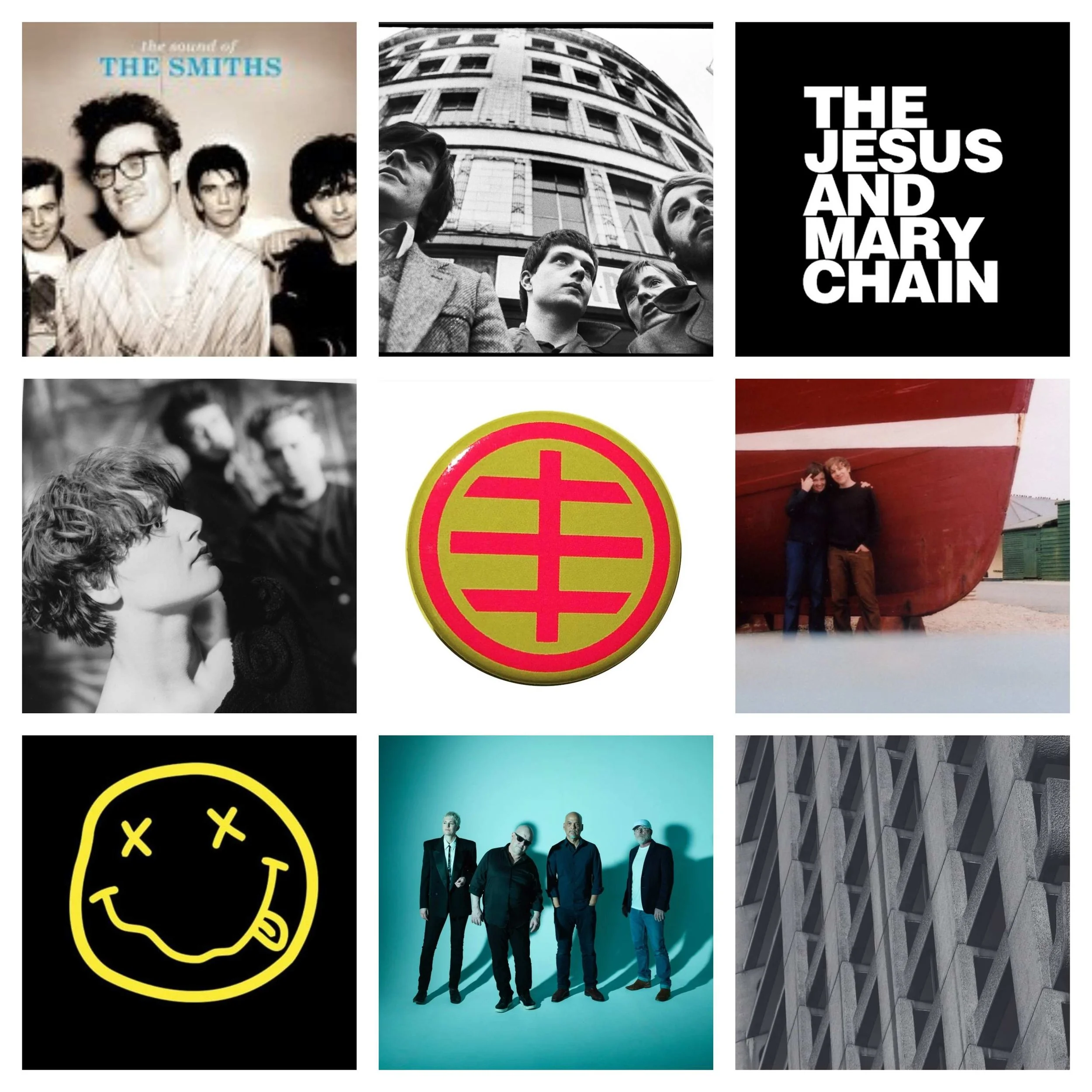
“Indie” is one of the most misused words in modern music. Scroll through any streaming platform, festival lineup, or TikTok playlist and you’ll see it slapped onto almost anything with a guitar, a reverb pedal, or a vaguely alternative aesthetic. But the truth, the historical truth, is that indie was never a genre. It was a status, a philosophy, a way of operating outside the machinery of the major label system.
To understand what indie is, we have to go back to what indie was.
Indie = Independent. Literally.
In the late 1970s and early 1980s, “indie” simply meant music released on an independent label, labels that weren’t part of the major corporate structures (EMI, Sony, Warner, Universal). These were small operations, often run out of bedrooms, record shops, or community spaces. They were powered by passion over budgets.
They championed bands who didn’t fit the mainstream mould, who didn’t want to compromise, or who simply had no access to the industry’s gatekeepers.
Here’s some of the most influential early independent labels
Rough Trade — London-based, fiercely DIY, home to The Smiths, The Raincoats, and countless post‑punk innovators.
Factory Records — Manchester’s art‑driven powerhouse behind Joy Division, New Order, and the Haçienda.
Creation Records — Alan McGee’s chaotic, visionary label that launched My Bloody Valentine, Ride, and later Oasis.
4AD — Ethereal, boundary‑pushing, home to Cocteau Twins, Pixies, and Dead Can Dance.
Sub Pop — Seattle’s grunge incubator, releasing Nirvana’s early work and shaping alternative rock globally.
Because indie wasn’t a genre, the music released on independent labels spanned wildly different styles:
The Smiths — jangly guitar pop with biting social commentary.
Joy Division — bleak, atmospheric post‑punk.
The Jesus and Mary Chain — noise‑pop drenched in feedback.
Cocteau Twins — dreamlike, genre‑defying soundscapes.
The Pastels — shambling, lo‑fi, defiantly unpolished.
Hüsker Dü — hardcore punk evolving into melodic alt‑rock.
The Wedding Present — frantic, emotional guitar music with punk roots.
By the mid‑1990s and early 2000s, the term “indie” drifted away from its original meaning. Several things happened:
Major labels began signing “indie‑sounding” bands, blurring the lines between independent and mainstream.
Music journalism started using “indie” as shorthand for guitar‑based alternative music.
Streaming platforms and algorithms needed categories, and “indie” became a catch‑all bucket.
Fans adopted the term culturally, not historically — “indie” became an aesthetic, a vibe, a lifestyle.
The result? Today, “indie” is used to describe everything from shoegaze to dream pop, post‑punk revival, bedroom pop, folk‑rock, and even some electronic acts.
It’s convenient. It’s recognisable. But it’s not accurate.
If we’re being purist, and many of us are, indie still means:
Independent of major labels
Self‑directed artistic control
DIY ethos
Community‑driven growth
But culturally, “indie” has become a genre label whether we like it or not. It’s too embedded, too easy, too familiar. And yes, most guitar‑based alternative music fits the mould well enough that people will keep using it.
Because words shape how we understand music. Because history gets flattened when labels lose their meaning. Because the independent movement was, and still is, vital to the evolution of alternative culture. Because indie was built by people who refused to wait for permission.
And because if we don’t talk about what indie really is, we risk erasing the very spirit that made it powerful.
This is where I want YOU to jump in.
Do you think “indie” should be treated as a genre? Does the modern usage dilute its meaning? Does it matter? Or has language simply evolved beyond its origins?
Drop your thoughts, especially if you were there in the early days, or if you discovered indie through the 2000s wave, or if you’re part of the new generation reshaping what independence looks like.
Here’s a playlist with a bunch of true indie classics for you to enjoy!