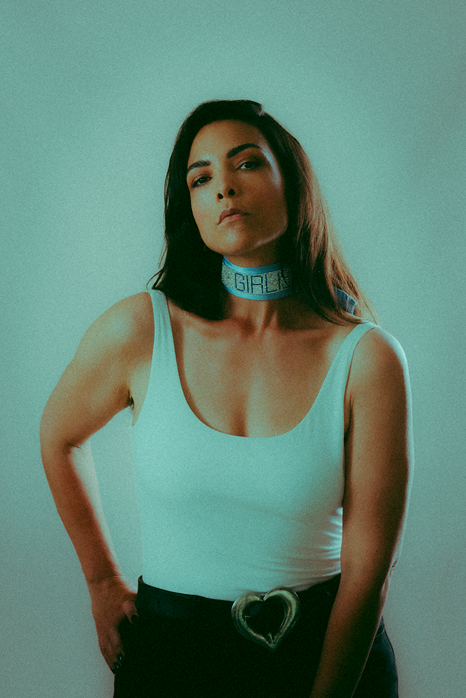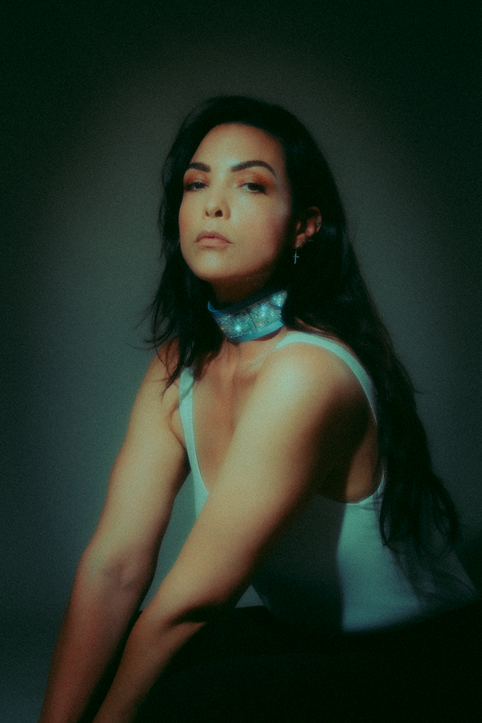
Following the release of her deeply personal new album, Caro reflects on identity, vulnerability, artistic freedom and the journey from global success to genuine self-discovery. In this candid conversation, she discusses stripping away ego, embracing imperfection, challenging expectations around womanhood and finding the courage to say "I don't know".
Your new album has been described as a return to your creative essence. What did you have to strip away, creatively or personally, to get back to that place?
I think I had to strip away my ego. It started there. When I'm making an album, I don't usually begin with a concept. I write songs about whatever is on my mind, and eventually there comes a point where some songs begin to resonate more strongly than others. Then a theme reveals itself.
With this album, the underlying themes turned out to be fear, embarrassment, guilt and this feeling of not wanting to take up space. I've spent a lot of time wondering why I feel that way. I know I'm a good person. I'm not shy. So why do I look at myself through that lens?
Writing songs such as "Already Lost" forced me to say things out loud that I hate admitting. I hate losing. I hate saying I've lost. But there was something incredibly liberating about putting that into a song.
You mentioned stripping away the ego. Was there a specific moment or process that helped you reach that point?
It's still a process, honestly. I've always been seen as somebody who's open and vulnerable. My friends would say I'll talk about anything. But one day I watched an interview I'd done and realised something important.
The person on screen looked confident and completely in control. Yet inside, I felt like I was crumbling. I felt scared. That disconnect made me realise I needed to learn how to fail.
I'm still learning. It's something I write about on the album, particularly in "Mama". That song goes back to feelings I had as a child, feeling like a loser, feeling like people wouldn't like me, feeling like I'd done something wrong. It's probably the most honest song on the record. It's that child asking her mother for reassurance, because your mum represents home and safety.
You've been known around the world as Caro Emerald, but you're now releasing music simply as Caro. What did shedding that name unlock artistically?
Everything.
A name is incredibly powerful. If you imagine moving to a different country, changing your appearance, starting a new life, you'd still carry the identity attached to your name. We're all more attached to those identities than we realise.
Coming from such a successful chapter as Caro Emerald taught me a lot, but it also had me looking in one direction. I needed to look somewhere else. Changing my name felt terrifying. It honestly frightened the life out of me because it felt like I was losing something.
But eventually I realised I wasn't losing anything. I was gaining freedom. It allowed me to stop chasing ideas of success and start experimenting again. That's essential if you want a long career as an artist. It opened up a whole new creative world, and I've surprised myself constantly ever since.
"The Guy Bangs" offers a glimpse into the album's expansive sound. What's the emotional story at the heart of the track?
It's probably the lightest song I've written. I was in Berlin working with a producer after we'd written "Already Lost", which was a very emotional session. We'd gone deep, we'd cried, we'd explored some heavy emotions, and then suddenly we wanted to have some fun.
This lyric just arrived. Maybe it was the energy of Berlin. Maybe it was the atmosphere. But it was inspired by that one person who's just ridiculously attractive and everyone wants them.
It's not entirely autobiographical, but let's just say there have definitely been people in my life who fit the description. It comes from experience.
The album explores womanhood as lived, imagined and mythologised. Which aspects of femininity felt most urgent for you to express?
I think sexuality is the big one. The sexuality of women still seems to make people uncomfortable. People want to control it, regulate it and judge it.
I've personally always felt quite free and open about my sexuality. I'm from Amsterdam, after all. That's part of the culture I grew up with. But even so, I've realised there are still expectations hanging over all of us.
We all carry these ideas of what femininity and masculinity should look like. They're like clouds hanging above our heads. And we're constantly trying to measure ourselves against them.
One thing that really frustrates me is the idea that motherhood and sexuality somehow shouldn't exist together. Why? They're part of the same person. There is no good reason for that separation. That's why I wanted to create space for conversations around it. We're not finished having those discussions yet.
You reference archetypes throughout the album, including the mother, child, mistress and warrior. Which surprised you most during the writing process?
The inner child surprised me most.
I've often been perceived as solid, wise and secure, but the truth is I've always felt like a child in many ways. That child is all over this album. She's asking to be comforted. She's asking for reassurance.
Returning to innocence doesn't mean becoming naïve. It means reconnecting with your truest self. That's what this record became for me.
I was also surprised by how much escapism appeared throughout the songs. Tracks like "The Promised Land" are about wanting to escape adult responsibilities and disappear into a place where everything feels simpler.
If you were given the keys to your own three-day festival with complete creative freedom, what would it look like?
The venue isn't the important thing. It's the atmosphere.
I want diversity everywhere. Different ages, different ethnicities, different backgrounds, different identities. I don't enjoy spaces where everyone is exactly the same. I love environments where young people, older people and everybody in between are sharing the same experience.
The artists would reflect that too. Someone like Lady Gaga comes to mind because she makes people feel welcome. Billie Eilish as well. But I wouldn't want to limit it to specific names. I'd want the festival to be a representation of everyone.
The goal would be to create a place where people feel comfortable being themselves. That's more important than any headline act.
Your sound blends 1980s pop, 1990s ballads, classic R&B, sacred choirs and futuristic synths. What kept such a diverse record cohesive?
There were two key ingredients.
The first was rhythm. Bass and drums had to sit at the heart of everything. It didn't matter whether the drums were programmed or performed live. The groove had to be there.
The second element was drama. I'm always looking for cinematic emotion, something romantic and theatrical that transports people somewhere else.
On previous records that came through orchestral arrangements. This time I wanted something spiritual, so I used classical choirs to tie everything together. Once those two elements were in place, the album started to make sense.
This has been described as your most vulnerable work yet. Was there a point where you realised you'd made something braver than before?
At first, I didn't think so. My previous album felt much more shocking because it represented such a dramatic shift from what people expected of me. But over time I've realised that vulnerability requires a different kind of courage. It's easier to shout your opinions. It's easier to declare what you believe.
What's much harder is saying, "I don't know."
That uncertainty, that softness, that willingness to admit doubt, that's where the real bravery is. And that's what this album taught me.
You're taking these songs out on the road, including a show at Ronnie Scott's in London. How do you imagine them living on stage compared to the studio?
The studio is a playground. You can experiment endlessly. You can record things again and again. My perfectionist side absolutely loves that.
The stage is completely different. You get one chance. It becomes about connection rather than perfection. What excites me most is that for the first time in my career I'll be drawing material from every chapter of my life and bringing it together in one show. It finally makes sense. I've also got an incredible band, including female musicians for the first time, and that's been wonderful. Performing is still my favourite thing in the world. It's what I love most.
Finally, if you were hosting a dinner party for MusoMuso, what would be on the menu and what music would be playing in the background?
I love cooking, but I never make the same thing twice.
To start, I'd probably serve a proper soup. Maybe a seafood bisque made from scratch because I'm very proud of my broths. For the main course, I'd go classic: a beautiful rib-eye steak cooked on the barbecue with rich homemade sauces and perfectly cooked vegetables. Dessert would be something light and French. I don't like very heavy desserts.
As for the music, there wouldn't be a playlist. It would be live. In fact, I'd invite musicians to the dinner and have them perform between courses. Better still, I'd get them to improvise together.
The perfect evening ends with everyone staying far later than they intended, having real conversations, sharing stories from childhood and maybe even shedding a few tears. That's my ideal dinner party.
With her new album ‘Returning to Innocence’, Caro is rediscovering who she was before expectations, labels and success began defining the narrative. The result is a body of work that embraces uncertainty, celebrates authenticity and reminds us that sometimes the bravest thing an artist can do is reveal their truest self.
Follow Caro:
Instagram | Spotify | TikTok | YouTube | caromusicofficial.com