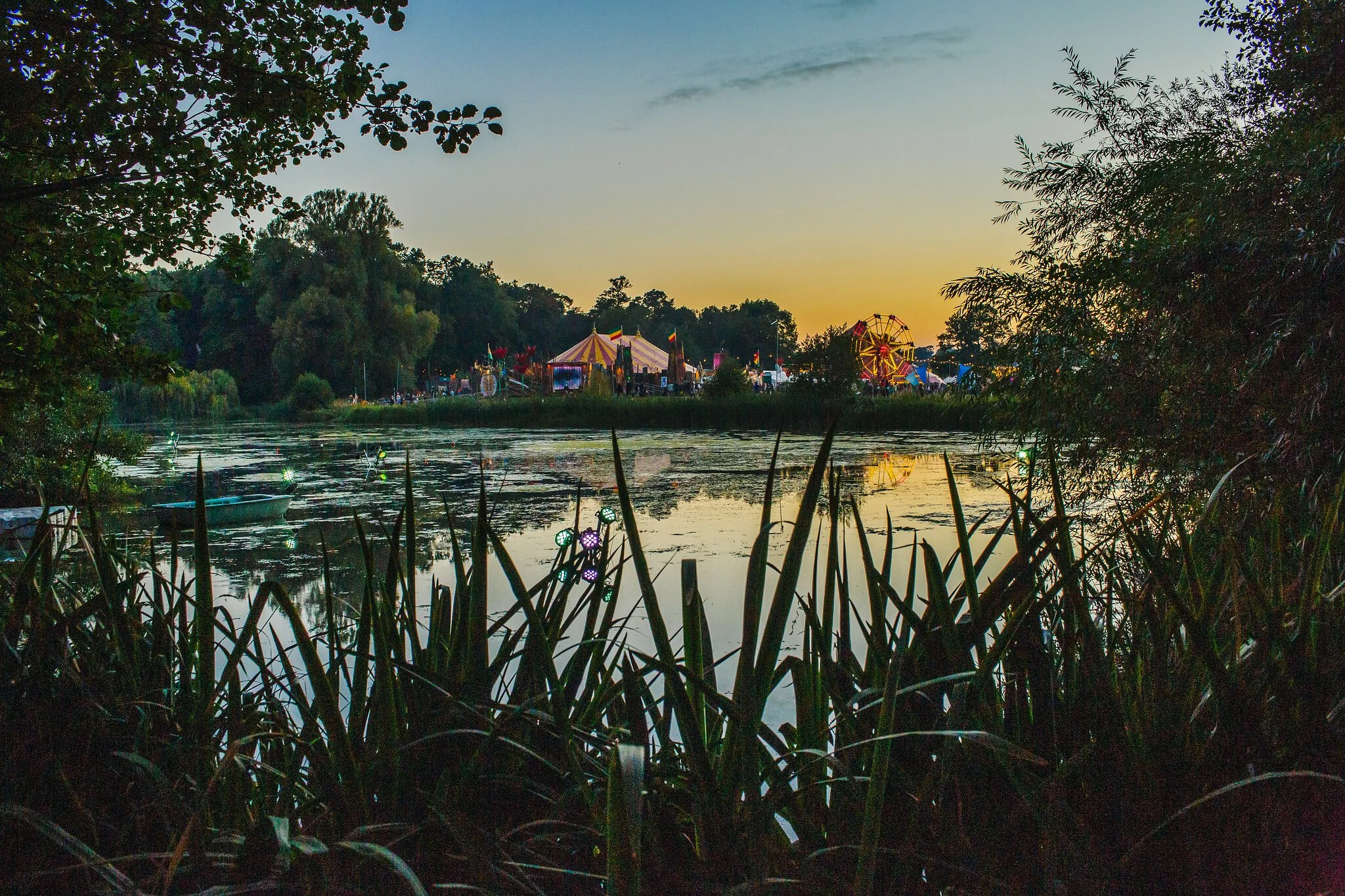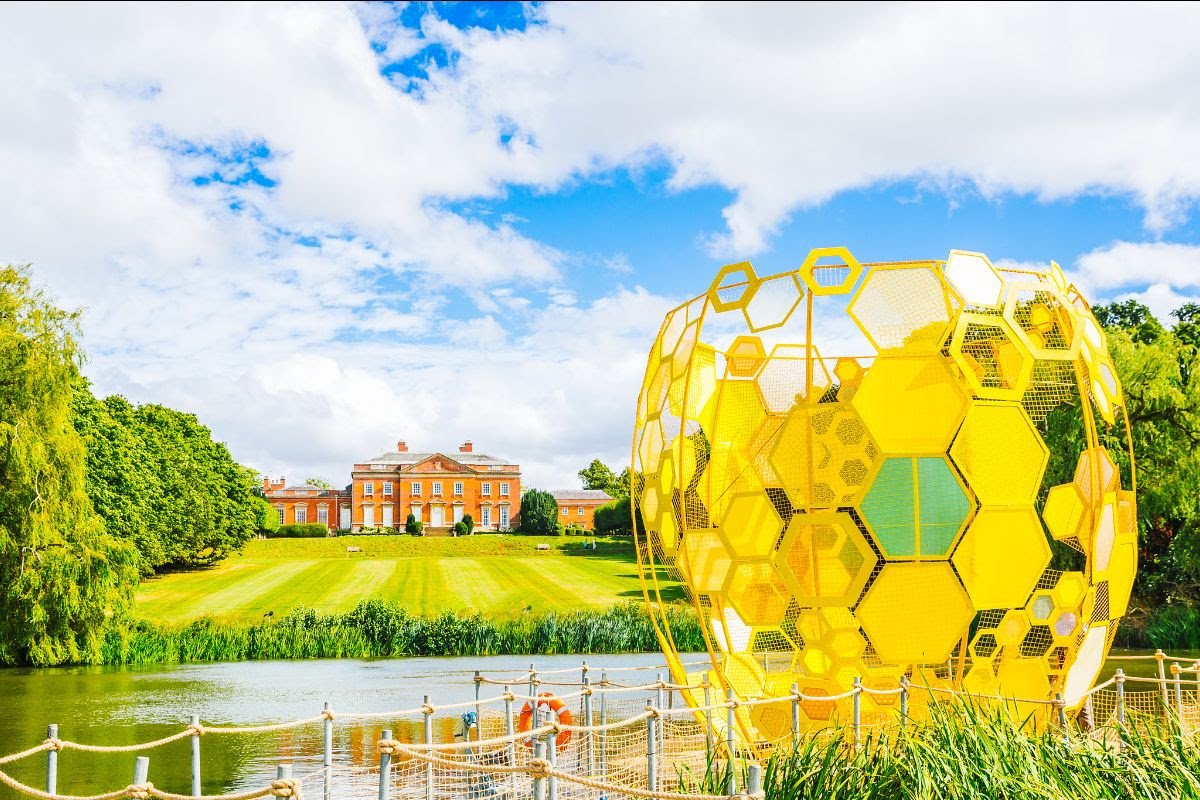
For a decade, Shambala has been the UK festival world’s most reliable meat‑free utopia — a place where the smell of frying onions never hides a burger, and where the ethics of your lunch are as much a part of the experience as the music, circus tents, or late‑night wanderings through neon‑lit woodland. It’s a festival that didn’t just remove meat; it built an identity around that decision.
So when Shambala announced that it is opening a public vote on whether to introduce wild venison at its 2026 edition, the shockwaves were instant. Not because venison is controversial in itself, but because of what it represents: a potential unravelling of one of the festival’s most defining principles.
Back in 2016, Shambala made headlines by going fully vegetarian and vegan — a bold move that sparked debate across the UK festival landscape. It wasn’t a gimmick. It was a statement about climate impact, land use, and the power of collective behaviour. And it worked: food‑related emissions dropped to just 6% of the festival’s total footprint, compared to the UK festival average of 21%.
For many attendees, that shift was the reason they chose Shambala over other events. A third of the audience now identifies as vegetarian or vegan. For them, the festival’s meat‑free status isn’t a quirk. It’s a safe space.
Which is why the idea of venison — even wild, even “ethical,” even environmentally restorative — feels like a crack in the foundation.
The organisers aren’t acting on a whim. Deer populations in the UK are at record highs, with conservationists warning that overgrazing is stalling woodland regeneration, damaging crops, and contributing to biodiversity loss. With no natural predators left, controlled culling has become a widespread land‑management tool.
The logic goes like this: if deer must be culled to protect habitats, then using the meat — rather than wasting it — is the most responsible option. Wild venison, advocates argue, is hyper‑local, low‑input, and far more sustainable than industrial livestock.
Last week, the UK Government even unveiled a strategy to make deer management easier.
From a purely ecological standpoint, the case is strong.
But Shambala isn’t just an ecological project. It’s a cultural one.
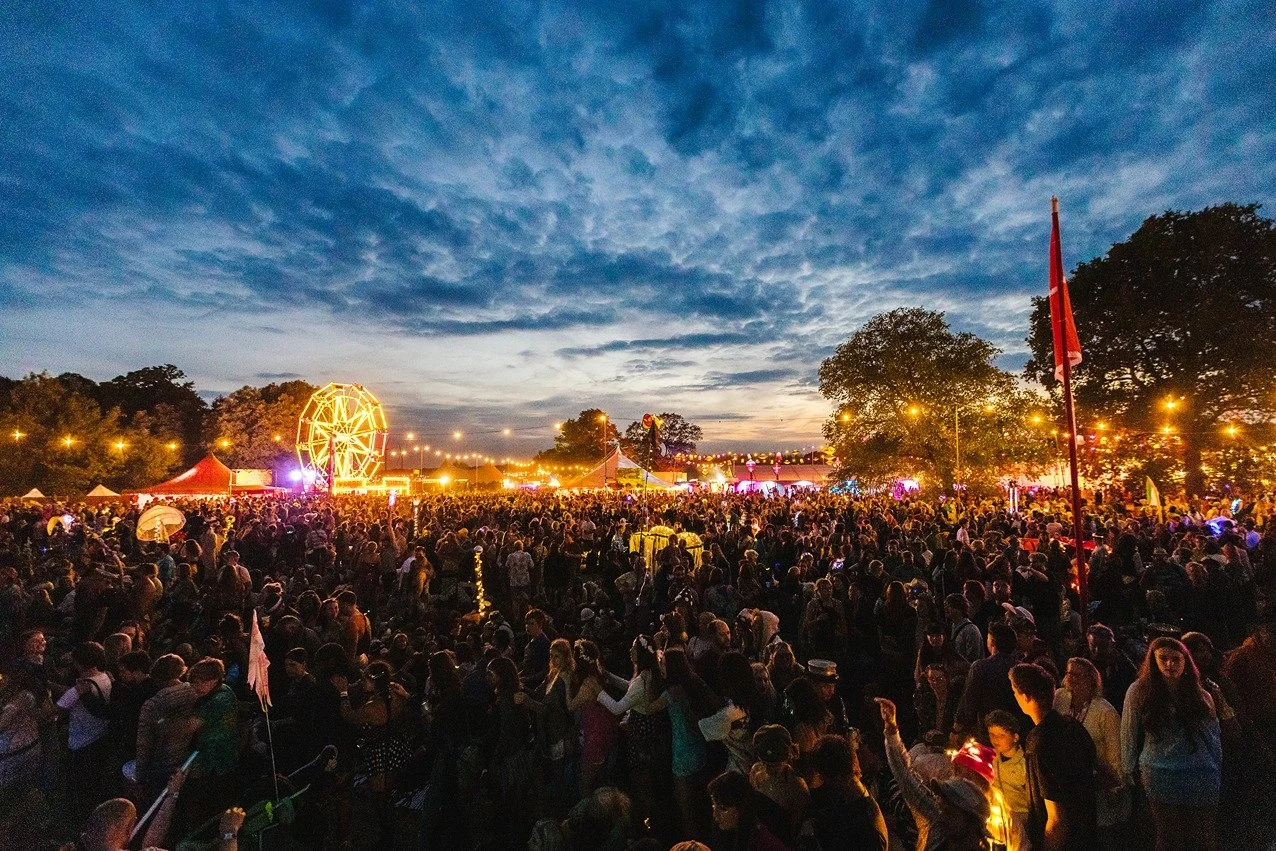
For long‑time Shambalans, the festival’s meat‑free ethos is part of its soul. It’s woven into the atmosphere, the food queues, the conversations, the sense of shared purpose. Introducing venison — even at a single stall — risks breaking an emotional contract that has held for a decade.
Some will see it as a betrayal. Others will see it as a dilution of values. A few may welcome the nuance. But the bigger question is: what does this mean for the festival’s future?
If Shambala becomes a place where meat is served — even “ethical” meat — does it stop being a vegetarian festival? Does it lose the clarity that made it unique? Does it risk alienating the very people who helped build its identity?
Festivals evolve, but evolution always has consequences.
To their credit, the organisers aren’t imposing the change. They’re putting it to a public vote — a democratic gesture that acknowledges the weight of the decision. If approved, only one trader would serve wild British venison, with a portion of profits supporting biodiversity initiatives. Talks and workshops on deer ecology and food‑system ethics would accompany the offering.
Shambala MD and co‑founder Chris Johnson frames it as a continuation of the festival’s original mission: “It feels time to reinvigorate these important conversations, and also to highlight that we urgently need to eat wild deer to rescue and protect what little is left of our natural habitats.”
It’s a provocative stance — one that challenges the binary thinking that often surrounds food ethics.
But for many festival‑goers, the question isn’t ecological. It’s emotional. It’s about belonging.
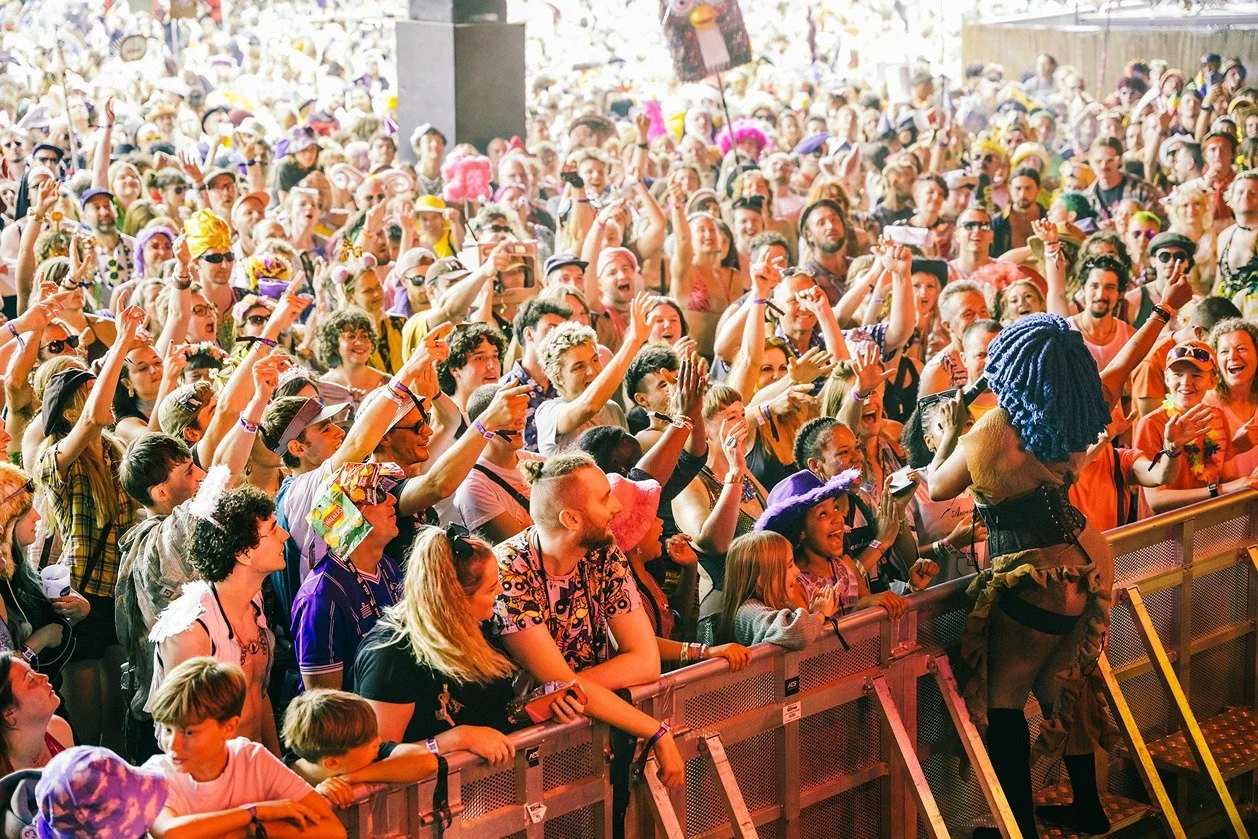
The vote will reveal more than a preference for or against venison. It will reveal what Shambala’s community wants the festival to be in 2026 and beyond.
A meat‑free sanctuary? A sustainability‑first experiment? A hybrid of both?
Whatever the outcome, this moment marks a turning point. If venison is approved, Shambala will enter a new era — one where its identity becomes more fluid, more complex, and potentially more divisive. If rejected, the festival reaffirms its roots and the values that have defined it for a decade.
Either way, the conversation is now out in the open.
And perhaps that’s the point.